BEACON POWER AND PUMP
Complete Energy & Well System Solutions
24/7 Emergency Electrical Service Spokane & Surrounding Areas
24/7 Emergency Electrical Service Spokane & Surrounding Areas
BEACON POWER AND PUMP
Complete Energy & Well System Solutions
24/7 Emergency Electrical Service Spokane & Surrounding Areas
24/7 Emergency Electrical Service Spokane & Surrounding Areas
Cold weather means more strain on your home's electrical system — space heaters, holiday lighting, and longer dark hours all draw extra power. That extra demand is exactly when hidden problems in your panel, outlets, and wiring decide to show themselves.
Before winter arrives, walk through these eight checks. They take an afternoon, they cost little or nothing, and they catch the warning signs — warm switch plates, flickering lights, tripping breakers — before they turn into a fire risk or a mid-January emergency call. Here's what our electricians look at on every fall safety inspection in Spokane.
Work through these from the panel outward — the main panel first,
then
the rooms your family uses most.
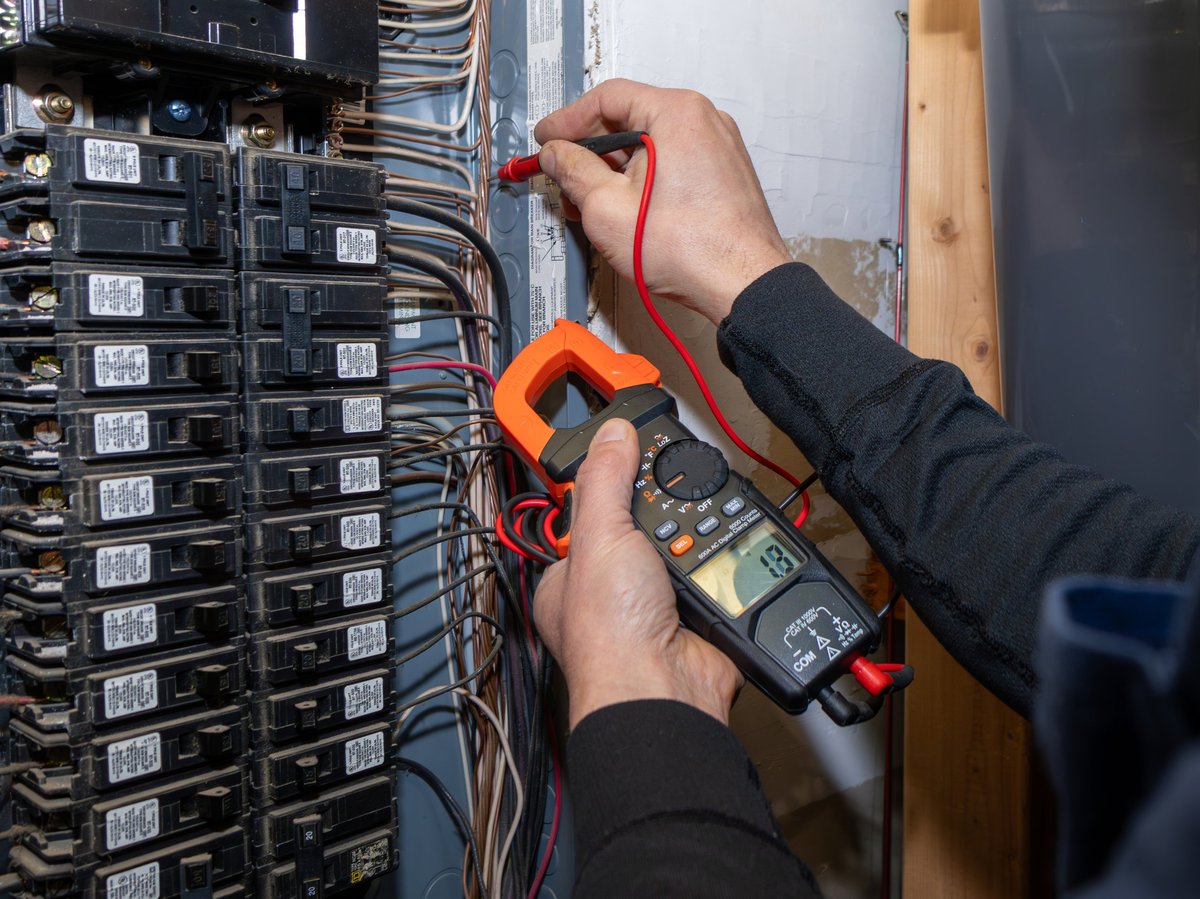
Start at the heart of your system. Look inside the panel for scorch marks, melted insulation, rust, or a burning smell. Check that no breaker is warm to the touch, that no breaker has been double-tapped (two wires on one lug), and that the panel has clear space around it. If you see rust or corrosion, that's often a sign of moisture getting in — a serious issue going into a wet, cold season.
GFCI outlets protect you from shock in kitchens, bathrooms, garages, and any spot near water. Press the TEST button on each one — it should click off immediately and the RESET button should restore power when pressed. If a GFCI won't trip, won't reset, or trips constantly, it's failing and needs replacement. Test them monthly, and definitely before guests arrive for the holidays.
A warm light switch or outlet faceplate is one of the biggest warning signs in an electrical system. Gently touch the plates around your home — they should be room temperature. Warmth, brown scorch marks, or a faint burning smell point to loose wiring, an overloaded circuit, or a failing device behind the wall. Stop using that outlet and have it checked right away.
Occasional flicker when a big appliance kicks on can be normal. But lights that dim every time the furnace, refrigerator, or a space heater starts — or that flicker constantly in one room — suggest a loose connection, an overloaded circuit, or a struggling panel. As heating loads ramp up for winter, these problems get worse, not better.
Winter is when circuits get pushed hardest. Count how many devices share each outlet and power strip — space heaters, holiday lights, and entertainment systems are the usual culprits. Never daisy-chain power strips, never run a space heater on an extension cord, and give high-draw appliances their own dedicated circuit. A breaker that trips repeatedly is telling you the circuit is at its limit.
Walk through each room and look at every cord you can see. Replace any with frayed insulation, cracked or bent prongs, or taped-over damage — damaged cords are a leading cause of electrical fires. Pay special attention to cords that run behind furniture, under rugs, or near heat sources, and check outdoor cords and holiday light strings for cracking from cold exposure.
Electrical safety isn't just about preventing the fault — it's about being warned if one happens. Test every smoke detector and carbon monoxide alarm, replace the batteries, and check the manufacture date (most units should be replaced every 10 years). With furnaces and generators running more in winter, a working CO detector is non-negotiable.
The first seven checks are things any homeowner can do. The eighth is where a professional finds what you can't see: torque-checking breaker terminations, testing the main disconnect, examining the service entrance and meter base, and confirming your panel can handle today's loads. A fall inspection catches failing breakers and loose connections before the cold-weather demand exposes them.
If you spot any of these during your inspection, stop and call a licensed electrician.
Any burning odor near an outlet, switch, or panel — or brown discoloration around a device — means heat is building where it shouldn't. Cut power to that circuit at the breaker and have it inspected immediately.
A breaker that trips once is normal. A breaker that trips again and again is protecting you from something — an overload, a short, or a failing device. Never tape a breaker in the ON position or upsize it as a fix.
Crackling, buzzing, or a visible spark when you plug something in points to a loose connection inside the box. Warm faceplates mean current is heating the wiring. Both are fire risks — stop using the outlet until it's repaired.
Your panel should be silent and cool. Humming, buzzing, or a warm panel door indicates loose connections, a failing breaker, or an undersized service — the kind of problem that should be fixed long before winter loads arrive.
Beacon Power and Pump performs fall electrical safety inspections across Spokane, Liberty Lake, Cheney and the surrounding areas. Book your winter-readiness inspection before the heating season starts — or call us any time if you've spotted a warning sign that needs urgent attention.