BEACON POWER AND PUMP
Complete Energy & Well System Solutions
24/7 Emergency Electrical Service Spokane & Surrounding Areas
24/7 Emergency Electrical Service Spokane & Surrounding Areas
BEACON POWER AND PUMP
Complete Energy & Well System Solutions
24/7 Emergency Electrical Service Spokane & Surrounding Areas
24/7 Emergency Electrical Service Spokane & Surrounding Areas
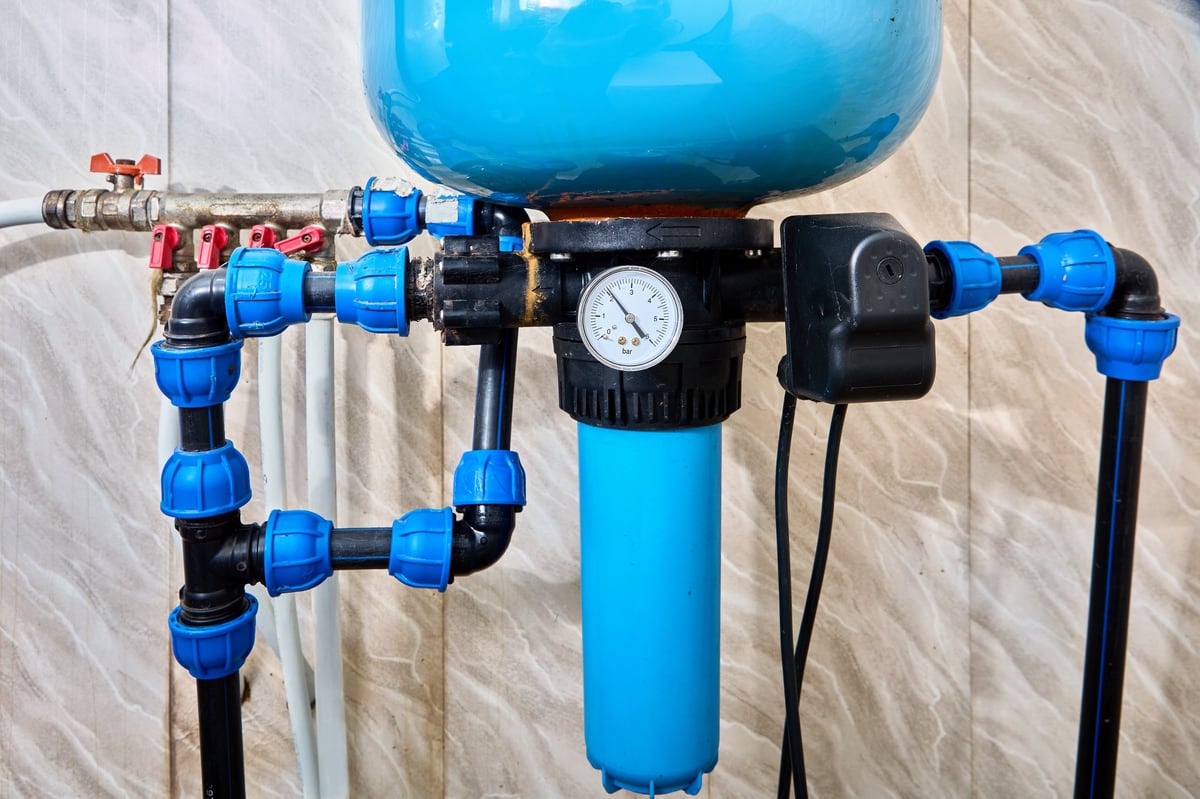
Weak water pressure can ruin your day. From a clogged pump intake screen
to seasonal water table fluctuations, understanding these common causes
can help you diagnose
and address well system issues before they become
expensive repairs.
Understanding why your well system is struggling can help you take action before minor issues become major repairs. Here are the most common causes of low water pressure.
Over time, sediment, sand, and mineral deposits can accumulate on the pump intake screen, restricting water flow into your system. This is especially common in wells with high sediment content. Regular maintenance and installing a pre-filter can prevent this issue. If your screen is severely clogged, a professional can clean or replace it to restore proper flow.
Mineral deposits and sediment can accumulate inside your home's pipes over years of use, narrowing the internal diameter and restricting water flow. This is particularly common in older homes with galvanized steel pipes. Signs include reduced flow from multiple fixtures simultaneously. Professional pipe flushing or repiping may be necessary for severe cases.
Your pressure tank maintains consistent water pressure by storing pressurized water. When the bladder inside fails or air pressure drops, the tank can't hold water effectively, causing rapid cycling of the pump and fluctuating pressure. Symptoms include pressure that builds up then drops quickly, or a sputtering faucets. A failing tank should be replaced promptly to prevent pump damage.
Main shutoff valves, angle stops, or individual fixture valves may have been accidentally left partially closed after repairs or maintenance. Check all valves in your system, including the main valve near the pressure tank and any isolation valves near water-using appliances. Simply opening a valve fully can restore normal pressure—it's an easy fix that many homeowners overlook.
Homes built before the 1980s often have galvanized steel pipes that corrode internally over decades of use. The corrosion narrows the pipe diameter and can even flake off, causing discoloration and low pressure. In Spokane's older homes, repiping with modern copper or PEX tubing is often the only long-term solution. This is a significant but worthwhile investment in your home.
Well pumps have a lifespan of 10-20 years depending on usage and water quality. As pumps age, their components wear down, reducing their ability to draw and push water effectively. Signs of a failing pump include the pump cycling on and off frequently, unusual noises, or water that appears sandy or discolored. If your pump is approaching end-of-life, replacement before complete failure prevents emergency situations.
Your well draws water from an aquifer, and water table levels vary seasonally. During drought conditions or heavy irrigation seasons, the water table may drop, reducing the amount of water available to your pump. This can cause reduced flow and pressure, especially during peak summer months. While you can't control weather, understanding this helps set realistic expectations during dry periods.
Don't let well system problems worsen. Our experienced team at Beacon
Power & Pump can diagnose the issue and provide lasting solutions.
From pressure tank replacement to complete pump system
upgrades, we've
served Spokane homeowners for years.